
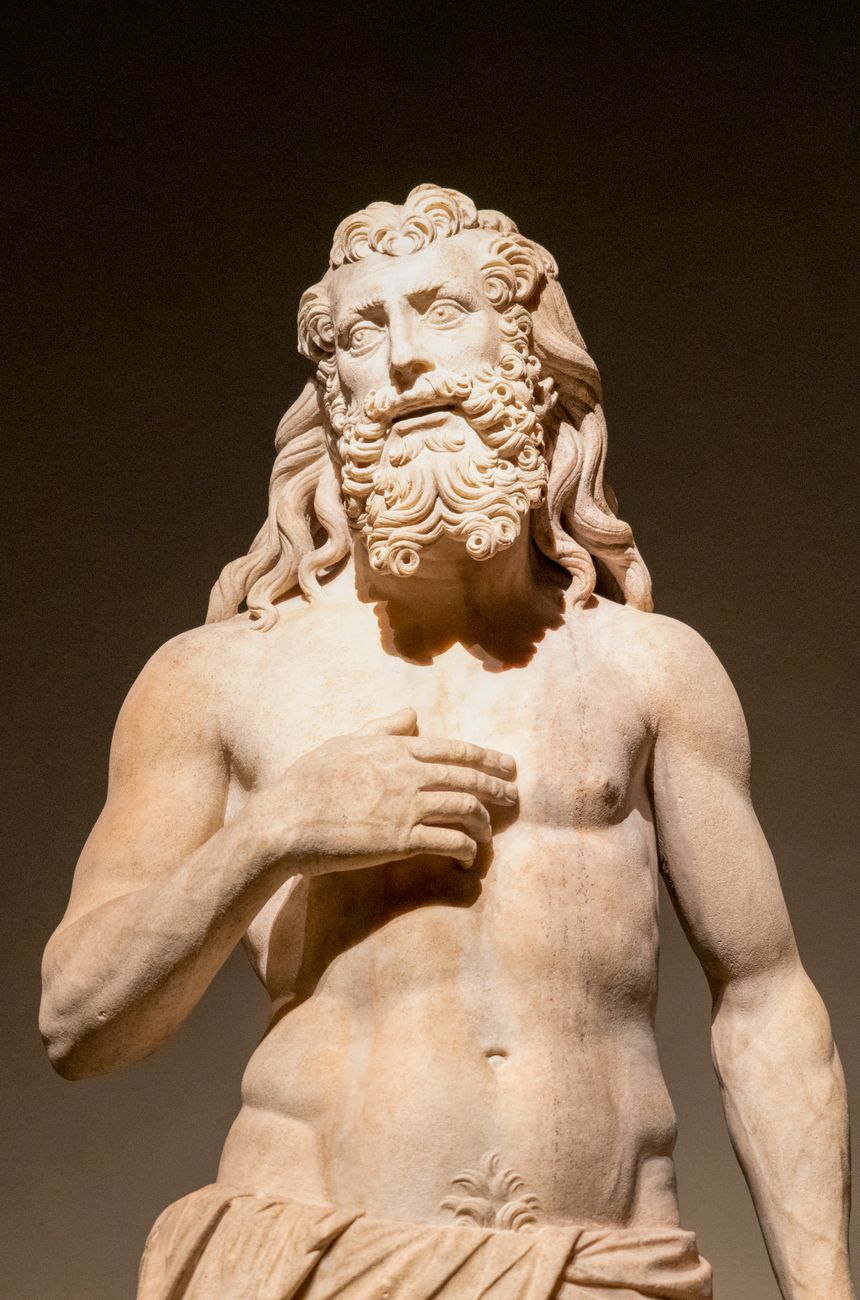
Step 3 of Alcoholics Anonymous (AA) states: “Made a decision to turn our will and our lives over to the care of God as we understood Him.”
Core Concepts of Step 3
- Action-Oriented: While Steps 1 and 2 are primarily based on reflection and acknowledgment, Step 3 is considered a “turning point” that requires affirmative action. It is the decision to actively stop relying solely on self-will and instead entrust your life to a power greater than yourself.
- The Concept of a “Higher Power”: AA is inclusive and flexible regarding spiritual beliefs. Your “Higher Power” does not have to be a traditional religious deity; it can be the universe, nature, the fellowship of the AA group itself, an inner sense of wisdom, healthy love, or any force you recognize as greater than yourself.
- Surrender of Control: The step focuses on the principle of surrender—specifically releasing the need to control every outcome, which is often a challenge for those struggling with addiction. It involves the willingness to step back from being the sole “director” of your life’s path.
- Building a Foundation: Step 3 is viewed as the “key” to the remaining steps. By making this decision, you create a foundation for the self-inventory (Step 4) and the honest confession of wrongs (Step 5) that follow.
For further exploration, you can review the official Twelve Steps as outlined by Alcoholics Anonymous or read their dedicated guide on Step Three.
Are you working on this particular step as part of your own recovery journey?
Check out this non-denominational prayer to say each day while you’re working Step 3.
And if you’re struggling to choose or discover a Higher Power, here is a list of some options. Which ones resonate with you? Which can you surrender your problems to? The list is by no means complete. This step is meant by design to adapt to your understanding.
Higher Power Ideas and Examples
- The Divine / God – A traditional religious or spiritual deity, representing a loving creator or a personal supreme being.
- Wise Philosophies – Secular or spiritual frameworks of thought (like Stoicism, secular Buddhism, or Existentialism) that offer timeless blueprints for ethical living and mental discipline.
- The Recovery Fellowship / Group – Relying on the collective wisdom, honesty, and combined strength of the people in your support rooms.
- The Universe / Cosmos – The vast, interconnected, and awe-inspiring natural order of the physical world.
- Nature and the Great Outdoors – The grounding, steady rhythm of the earth, forests, oceans, and changing seasons.
- Science and Rational Reality – The objective, unbreakable laws of biology, physics, and empirical truth.
- The Human Spirit – The collective resilience, kindness, and survival instinct that humanity has shown throughout history.
- Your Ideal Future Self – The healthy, recovered version of you who is waiting down the road, counting on the choices you make today.
- The Principle of Love – Empathy, compassion, and deep care treated as an active, guiding force that dictates your choices.
- Your Inner Conscience – That quiet, calm voice of core integrity and moral rightness that knows the difference between right and wrong.
- Art and Creative Expression – The transcendent power of music, writing, painting, and literature to heal and connect human experiences.
- The Flow of Time – The steady, unstoppable rhythm of time that promises change, heals wounds, and ensures that difficult feelings will pass.
- Factual Truth and Honesty – Living completely in reality and allowing facts and truth to be your absolute guide, rather than denial.
- The Lineage of Your Ancestors – The collective strength, survival, and DNA of those who came before you and endured hardships so you could be here.
- The Core Family Bond – The protective legacy, enduring love, and foundational strength of a healthy family structure.
- Cause and Effect (Karma) – The simple, natural law that putting positive actions into the world naturally brings about healthier outcomes over time.
- The Pursuit of Ultimate Serenity – Choosing a state of inner peace as your absolute boss, meaning you refuse to let chaos or drama make decisions for you.
- The Ocean – The vast, deep, constant, and adaptable force of tidal water that is much bigger than any human problem.
- Logic and Structured Reason – The clear, clinical process of sound judgment, analysis, and critical thinking.
- The Spirit of Mutual Service – The profound shift in perspective that happens when you prioritize helping others over feeding your own ego.
- The Metaphor of a Thunderstorm – The raw, dramatic, clearing energy of the atmosphere that powerfully washes away dust and resets the environment.
- The Collective Mind of Literature – The total sum of human knowledge, poetry, and stories that have successfully guided people out of darkness for thousands of years.
- The Concept of Growth / Evolution – The basic natural drive for all living organisms to adapt, heal, change, and improve over time.
- The Community Effort – The beauty and power found in shared spaces where people work together for the common good, like community gardens or local safe havens.
- The Attitude of Gratitude – The active practice of looking for the good in life, treating appreciation as a protective shield against resentment.
Journal Prompts for Step 3 of AA
Try these journaling prompts to go in-depth and really process and complete this step thoroughly. This is a key turning point in many peoples’ sobriety, where they really begin to rebuild trust and healing within themselves, thanks to their Higher Power.
Defining Your Power: If you were to personify or describe your “Higher Power” as a force that offers unconditional guidance, what qualities would it possess? Write about whether this power feels like a vast, ordered universe, a compassionate inner voice, the collective strength of others who have walked this path, or something else entirely. Focus on why these specific qualities make you feel safe enough to trust them with the “care” of your life.
Mapping Your Will: Reflect on a recent situation where you felt an intense, overwhelming urge to control the outcome or the behavior of others. Describe the physical and emotional toll that trying to be the “director” of that situation took on you. What might have shifted if, in that moment, you had acknowledged your limitations and chosen to surrender that specific outcome to your Higher Power?
The Anatomy of Trust: Trust is often difficult when we have been hurt or when we have disappointed ourselves. Write about what “turning over” your life actually looks like in your daily routine—not as a one-time event, but as a series of small, daily choices. How can you practice small, manageable acts of letting go, such as pausing before reacting or repeating a mantra of release when you feel your anxiety spiking?
Identifying Obstacles: Often, our fear of surrendering our will is rooted in a belief that we are the only ones capable of keeping ourselves “safe.” Write a letter to that fearful, controlling part of yourself. Acknowledge its desire to protect you, but explore what it might feel like to invite a Higher Power to share that burden. What is the worst-case scenario you are afraid will happen if you finally release the steering wheel?
Spiritual Principles in Practice: Step 3 is an invitation to transition from self-reliance to spiritual reliance. Think about the spiritual principles of faith, humility, and willingness. How can you embody these principles this week in a way that feels authentic to your personality? Describe a concrete “willingness” action you can take, even if it feels small or imperfect.
Redefining “Care”: We often associate being “taken care of” with being passive or having our problems magically solved. Reframe what “care” from a Higher Power looks like to you. Is it the courage to face reality, the wisdom to see patterns in your behavior, or the peace to accept things you cannot change? Write about how your perspective on “care” has evolved as you have moved through the first two steps.
The Wisdom of Surrender: Think of a time in your past when you were forced to surrender control, even if it wasn’t by choice. How did that experience, despite its difficulty, eventually lead to a lesson, a growth spurt, or a new perspective? Look for the thread of “unexpected support” in that memory, and write about how you can consciously invite that same support into your life today, proactively rather than reactively.
Connection vs. Isolation: Addiction thrives in isolation, whereas Step 3 invites connection to something greater. How does the act of turning your will over change your relationship with yourself and those around you? Explore whether this process makes you feel more connected to the world, more empathetic, or less burdened by the need to “perform” or “be perfect” for others.
Integration through Ritual: Rituals can be powerful anchors for spiritual principles. Describe a simple, daily, or weekly ritual—perhaps lighting a candle, spending five minutes in silence, or writing a list of things you are choosing to release—that signals to yourself that you are practicing Step 3. Why does this specific action help you feel grounded and aligned with your Higher Power?
A Vision for the Future: Imagine that you have fully integrated the principle of Step 3 into your life. What does your day-to-day life look like when you aren’t fighting to control everything? Write a narrative of a future day where you feel supported, purposeful, and at peace, and describe the feeling of trusting that you are exactly where you need to be.
A Free Printable Daily Devotional
Designed to accomodate people who believe in God as well as people who chose higher principles (like the community of AA, universal wisdom, or love) as their higher power, this daily devotional can be printed out and filled out each morning or evening, throughout your recovery process. You can also just print one copy or save the file to your phone/computer, and answer the questions in your composition book.
A Helpful List of Step 3 Practices and Activities
In order to really live in alignment with your Higher Power, add these habits and behaviors into your lifestyle.
These 15 practices are shared across almost all global traditions, philosophies, and spiritual pathways. Because these actions are universal, anyone in recovery can adapt them to fit a completely secular, philosophical, or spiritual lifestyle:
1. Daily Quiet Reflection (Meditation or Prayer)
Taking time every morning or evening to sit in silence, calm the mind, and connect with something outside your immediate worries. For someone in recovery, this acts as a daily pause button to prevent impulsive choices.
2. Giving Back to Others (Service Work)
Every major tradition teaches that helping others is the fastest way to get out of your own head. Volunteering, mentoring someone further behind in recovery, or performing small, unprompted acts of kindness builds a sense of worth and purpose.
3. The Practice of Deep Gratitude
Actively listing or speaking the things you are thankful for each day. This shifts your focus away from what your life is missing (which often triggers cravings) and anchors you in what is going well right now.
4. Fasting or Practicing Mindful Restraint
Choosing to temporarily give up certain physical comforts, foods, or modern distractions (like a digital detox from social media). In recovery, practicing intentional, healthy restraint strengthens your “discipline muscle” and proves you can handle temporary discomfort.
5. Walking and Moving in Nature
Spending time outdoors—whether walking through a forest, sitting by the ocean, or watching a storm clear. Traditions across history view the natural world as a healing space that lowers anxiety, restores mental clarity, and humbles the ego.
6. Deep Study of Wise Texts
Reading books that make you think deeply, whether they are recovery workbooks, classical philosophies, poetry, or inspiring life stories. Try audiobooks if you don’t enjoy reading. Listening to them as you wind down for the night. Keeping your mind engaged in learning provides a healthy replacement for old, destructive thought patterns.
7. Seeking Out Community Fellowship
Gathering regularly with a group of people who share your values and goals. True recovery cannot happen in isolation; showing up to a community group creates a safe mirror where you can see your own growth reflected in others.
8. The Habit of Radical Honesty (Confession)
Admitting your mistakes out loud to another safe, trusted human being rather than hiding them. Keeping secrets feeds addiction, while admitting flaws takes away their power and relieves deep-seated guilt. Get a sponsor or mentor or role model, and confide in them.
9. Practicing Forgiveness
Consciously working to let go of old resentments, anger, and grudges—both toward people who hurt you and toward yourself for past mistakes. Letting go of anger removes one of the biggest emotional triggers for relapse.
10. Chanting, Singing, or Using Sacred Sounds
Using your voice for music, rhythm, or repetitive affirmations. Sound practices naturally activate the body’s relaxation response, lowering stress hormones and bringing your focus entirely into the present moment.
11. Celebrating Milestones and Rites of Passage
Marking important transitions, anniversaries, and personal milestones with deliberate celebration and reflection. Celebrating your days, months, or years of sobriety honors the hard work you’ve put in and creates a line between your past and your future.
12. Mindful Breathwork
Using deep, controlled breathing to steady your nervous system. Whenever anxiety, anger, or sudden cravings strike, simple breathing exercises can quickly anchor you back into a calm state of mind.
13. Honoring Your Body Through Rest and Nutrition
Treating your physical body with respect by getting enough sleep, moving your muscles, and eating clean meals. Physical well-being directly impacts your emotional resilience and mental clarity.
14. Practicing Humility and Stepping Back
Accepting that you do not know everything and do not have to be in control of the universe. Admitting when you need help and learning to laugh at yourself relieves the heavy pressure of perfectionism.
15. Evening Self-Reflection
Looking back at your day before sleep to notice where you did well, where you slipped up, and how you can do better tomorrow. This keeps minor mistakes from snowballing into larger, unmanageable problems over time.
Conclusion
For more mental health, recovery, and self-care ideas, including tons of free printable worksheets and journaling prompts, subscribe to PEN AFTER THE STORM.
Thanks for reading!
Xo,
Jordan W.
Leave a Reply