
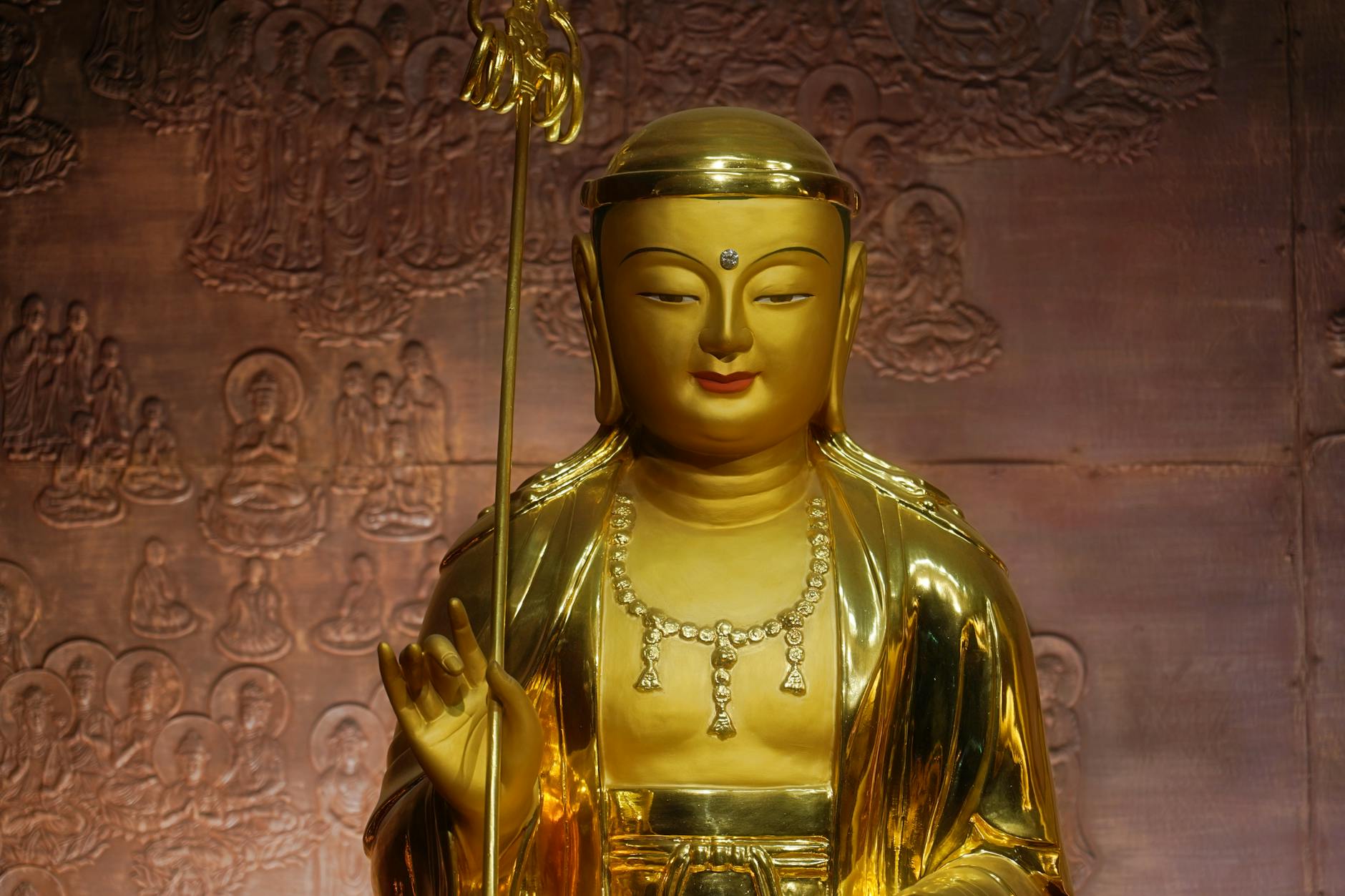
For those who don’t resonate with the teachings of AA, or for people looking for multiple avenues- there are 2 popular Buddhist programs for recovery from addiction. They are called Refuge Recovery and Recovery Dharma. Both have official books and online meetings to guide you on your journey.
What does Buddhism teach us about addiction?
The first step of a Buddhist recovery program is to acknowledge that addiction causes suffering- for yourself and the people in your life. This path approaches addiction not as a
moral failing, but as a form of suffering (dukkha) that can be understood and healed.
In this path, the repetitive cravings are the cause of your addiction. Not your own failures or lack of ethics.
For a long time, we are taught that addiction is a battle. We are told to fight, to conquer, and to white-knuckle our way into submission. To feel shame and guilt.
But the wisdom found in Refuge Recovery and Recovery Dharma offers a different, perhaps more radical invitation: What if, instead of going to war with yourself, you chose to understand the ghost that haunts you?
At the heart of the Buddhist tradition lies a profound psychological insight: we suffer not just because of the pain we feel, but because of our desperate attempt to escape it. Addiction is often described as a “misguided attempt to be happy.” It is a search for refuge in a place that cannot hold us.
So the “First Truth” of this path is the acknowledgment that addiction causes suffering. This sounds simple, yet it is the most courageous act we can perform. To stop running and actually turn around to face the craving is a rebellion. It is the moment we stop being a victim of our impulses and start becoming an observer of them.
When we look at the pain with the light of mindfulness, by taking inventory, we see it for what it truly is: a collection of sensations, thoughts, and memories- all of which are impermanent. Like a thunderstorm in an indigo sky, it is intense, it is dark, but it is not the sky itself. It is just passing through.
How to Practice this Path
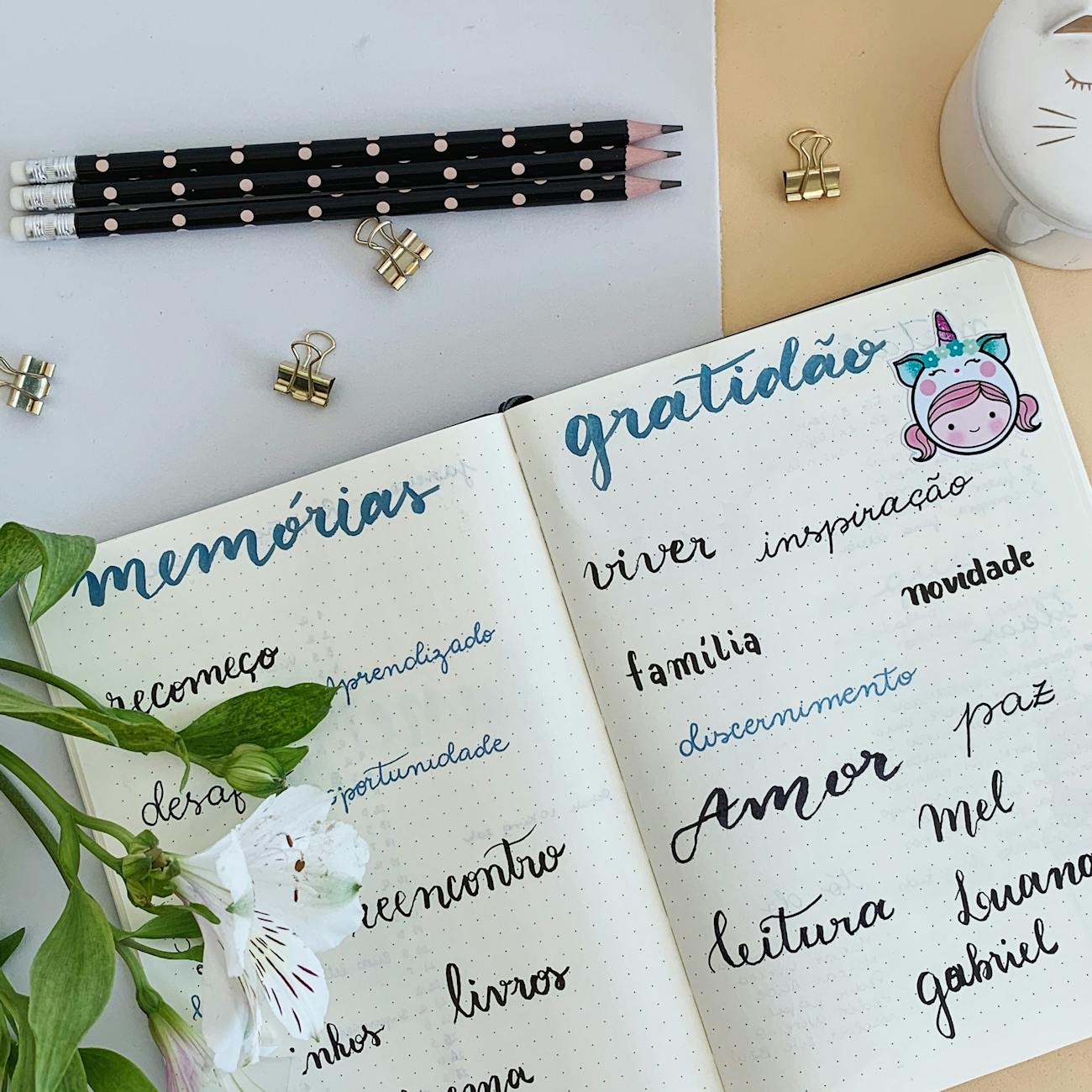
Why do we meditate? Why do we follow a weekly checklist of practices- like trying an online meeting and answering questions in a journal?
It isn’t to become “perfect” or to check off boxes in order to please and satiate a God.
We practice to build a home within ourselves.
When we cultivate Wise Speech or Wise Action, we are essentially tidying up our inner
environment so that it is a place we actually want to live in.
The beauty of this path is its focus on Metta, or loving-kindness meditation. Many of
us come into recovery with low self-worth, feeling the weight of injustice, trauma, or even our own hot tempers and past mistakes.
The Buddhist path suggests that the most powerful leadership you can exert is over
your own reactions to what happens to you.




Leave a Reply